


18 Jun Linden Honey: The Fragrant Taste of Summer and the Benefits of Linden Blossoms
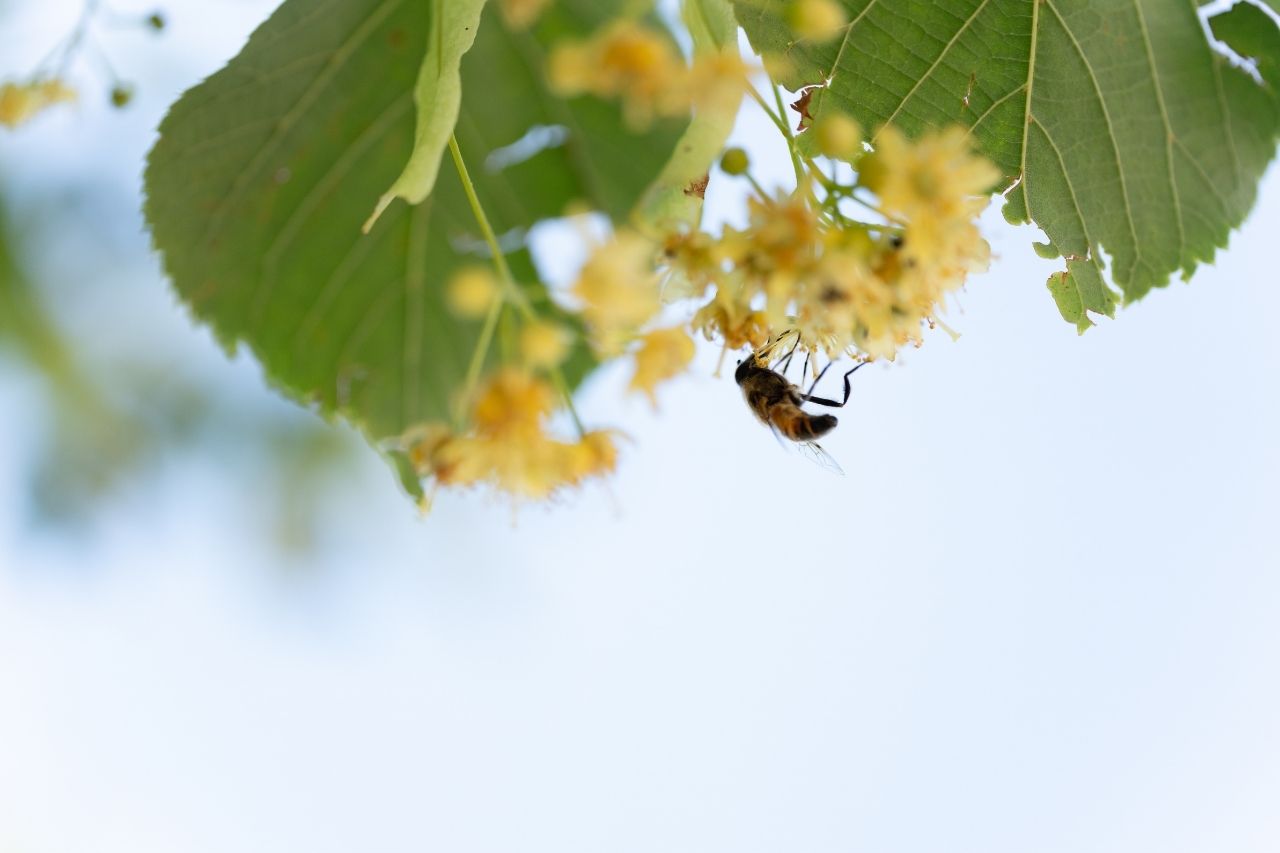
As June arrives, a special fragrance begins to drift through parks, avenues, village squares, and forest edges across Croatia. It is the unmistakable scent of the linden tree, known locally as lipa. For a few precious weeks each year, its delicate yellow blossoms transform entire landscapes into a natural perfume, attracting not only people but also thousands of hardworking honeybees.
For beekeepers, the blooming of the linden tree marks one of the most anticipated moments of the season. For bees, it is a feast. For honey lovers, it is the beginning of one of nature’s most aromatic gifts: linden honey.
A Honey with a Story
Unlike many floral honeys, linden honey can often be recognized before it is even tasted. Open a jar and a distinctive fragrance immediately emerges — fresh, floral, slightly herbal, with hints of mint and warm summer evenings.
Many people describe the aroma as calming and comforting. It evokes memories of walks beneath blooming trees, gentle breezes, and long June sunsets. This unique scent is one of the reasons linden honey has been treasured throughout Europe for centuries.
Nature’s Summer Aromatherapy
The fragrance of linden blossoms has long been associated with relaxation and well-being. Herbal infusions made from linden flowers have traditionally been enjoyed as a soothing evening drink, while the scent itself is often used in natural wellness products and aromatherapy.
Linden honey carries a subtle echo of these blossoms. Its complex aroma and smooth texture make it a favourite among those who appreciate not only sweetness but also the sensory experience of honey.
A spoonful of linden honey is more than a sweetener. It is a reminder of summer captured in a jar.
Why Bees Love Linden Trees
Linden trees are among the most valuable nectar sources available to honeybees during early summer. A mature tree can produce an abundance of nectar, attracting countless pollinators from dawn until dusk.
During peak flowering, the gentle humming beneath a blooming linden canopy becomes a beautiful demonstration of biodiversity in action. Honeybees, bumblebees, solitary bees, and many other pollinators gather to collect nectar and pollen, helping sustain healthy ecosystems while producing exceptional honey.
The Taste of June
Linden honey typically offers a rich yet elegant flavour profile. Depending on the region, weather conditions, and surrounding vegetation, it may display notes of fresh herbs, citrus, mint, or even subtle spice.
Its taste reflects the very essence of early summer. Every harvest is slightly different, making each jar a unique expression of nature’s conditions during that season.
Protecting the Trees That Feed Our Bees
As cities expand and natural habitats disappear, flowering trees such as linden become increasingly important for pollinators. Planting and preserving nectar-rich trees is one of the simplest and most effective ways to support biodiversity.
At OPRASHI, we believe that protecting pollinators means protecting the landscapes that nourish them. Every flowering tree, every meadow, and every garden contributes to a healthier environment for bees and people alike.
So the next time you walk beneath a blooming linden tree and notice its enchanting fragrance filling the air, pause for a moment. Somewhere nearby, thousands of bees are transforming those blossoms into one of nature’s most beautiful creations.
The scent of June may last only a few weeks, but the honey it inspires can be enjoyed throughout the year.

Sorry, the comment form is closed at this time.