


24 Apr Why Europe Is Losing Its Young Beekeepers – and Why This Is a Serious Problem for the Future of Food
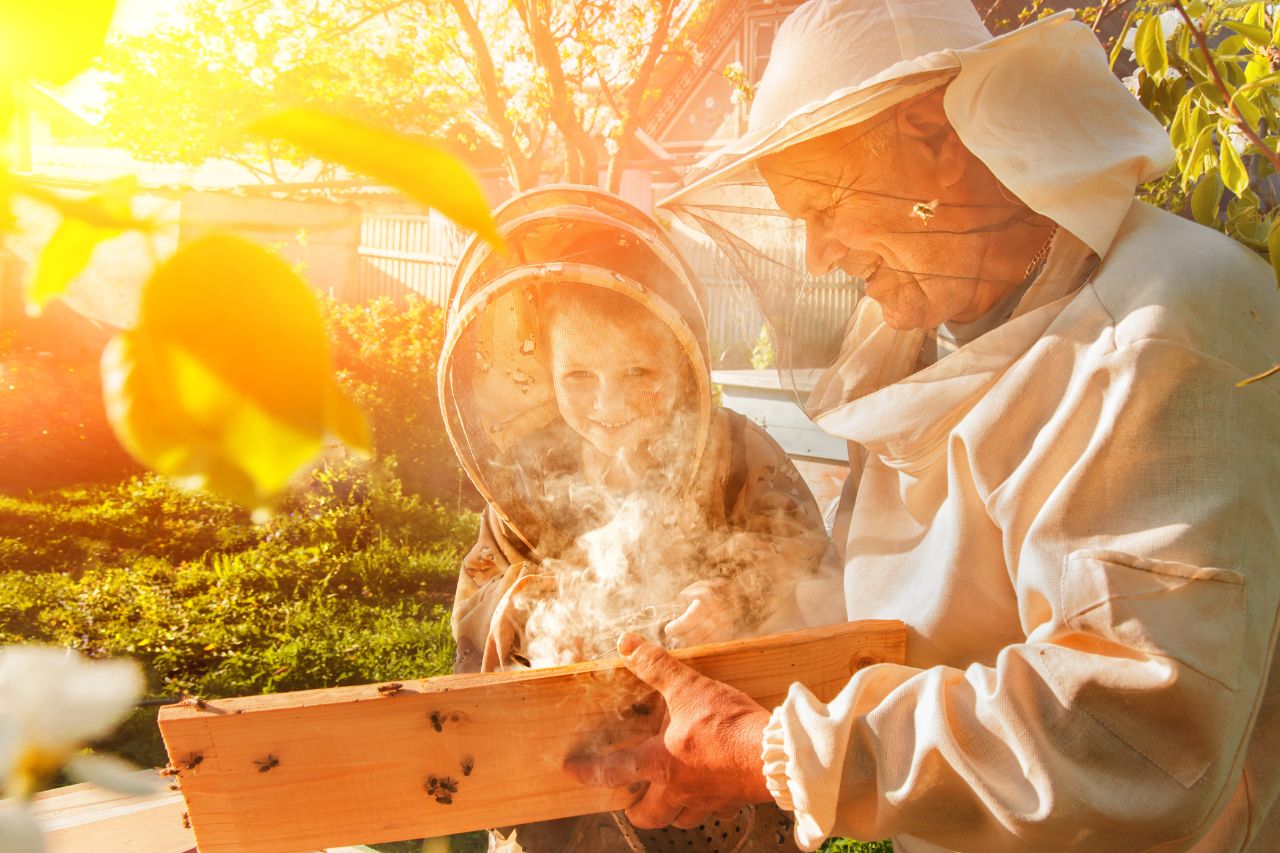
For centuries, beekeeping has been an essential part of European agriculture and rural culture. In many families, knowledge about bees was passed from generation to generation, often informally through experience and daily work with nature. However, during the past two decades the European beekeeping sector has been facing a growing challenge: fewer and fewer young people are choosing to become beekeepers.
This is not only a cultural issue or a question of preserving tradition. Beekeeping plays a crucial role in the modern food system. Without bees and other pollinators many crops that we rely on every day simply could not produce fruit. For this reason, the question of who will take care of bees in the future is becoming strategically important for Europe.
In many European countries the average age of beekeepers continues to rise. What used to be a natural transfer of knowledge from parents to children is becoming increasingly rare. Many experienced beekeepers are approaching retirement age, but the number of young people entering the profession is not sufficient to replace them.
The problem has also been highlighted in international media. In the article “Beekeepers in Western Europe fear for their future,” published by Equal Times, beekeepers across Western Europe describe the challenges threatening the future of their profession. You can read the article here: https://www.equaltimes.org/beekeepers-in-western-europe-fear?lang=en
In the article, beekeepers talk about rising production costs, unstable honey markets, climate change and increasing losses of bee colonies. In some years, colony losses can reach around 30 percent, which represents a major financial and operational challenge for beekeepers.
Bees, however, are far more important than honey production alone. According to estimates from the European Commission, the economic value of pollination provided by bees to European agriculture exceeds €22 billion every year. In other words, without bees many agricultural sectors would struggle to function.
So why are fewer young people becoming beekeepers? One reason is urbanisation. A growing share of the younger generation lives in cities and works in digital or service-based professions. Beekeeping requires access to land, nature and seasonal work rhythms that many young people are no longer connected to.
Economic pressure is another major factor. The European honey market is increasingly affected by imports of extremely cheap honey from other parts of the world. Local beekeepers often find it difficult to compete with such prices, which reduces the attractiveness of beekeeping as a long-term profession.
Climate change also plays an important role. Extreme weather conditions, changes in flowering periods, droughts and long rainy seasons can dramatically influence honey production and colony health.
In addition, bees face multiple biological threats such as the Varroa destructor parasite, pesticide exposure and the loss of natural habitats. These pressures make beekeeping more complex than it was only a few decades ago.
Despite these challenges, beekeeping has enormous potential for the future. Encouraging a new generation of beekeepers is therefore essential. Education, mentorship and practical support can help young people take their first steps in the sector.
With this goal in mind, OPRASHI launched an initiative designed to support young beekeepers. The idea is simple: help young people who have already started beekeeping continue developing their apiaries.
As part of this initiative, we are giving away one LR beehive together with a bee colony. The award is intended for young beekeepers under the age of 30 who already own at least one hive and want to expand their apiary.
This initiative is not only a giveaway. It is a symbolic gesture supporting the next generation of beekeepers. If we want beekeeping to survive in Europe, we must actively encourage young people to see a future in this profession.
You can also see the announcement of this initiative on our Instagram profile: https://www.instagram.com/p/DXZixwZDKq9/
Through the OPRASHI project our goal is not only to produce high‑quality honey. We want to build a stronger connection between beekeepers, consumers and nature. Transparent honey markets, education about pollinators and support for beekeepers are essential parts of this vision.
In the end, the question is not only how many bees we have today. The real question is whether there will be a new generation of people willing to take care of them tomorrow.

Sorry, the comment form is closed at this time.