


08 Sep DO NOT TIDY UP NATURE TOO SOON
How gardens and green spaces can help pollinators survive the winter
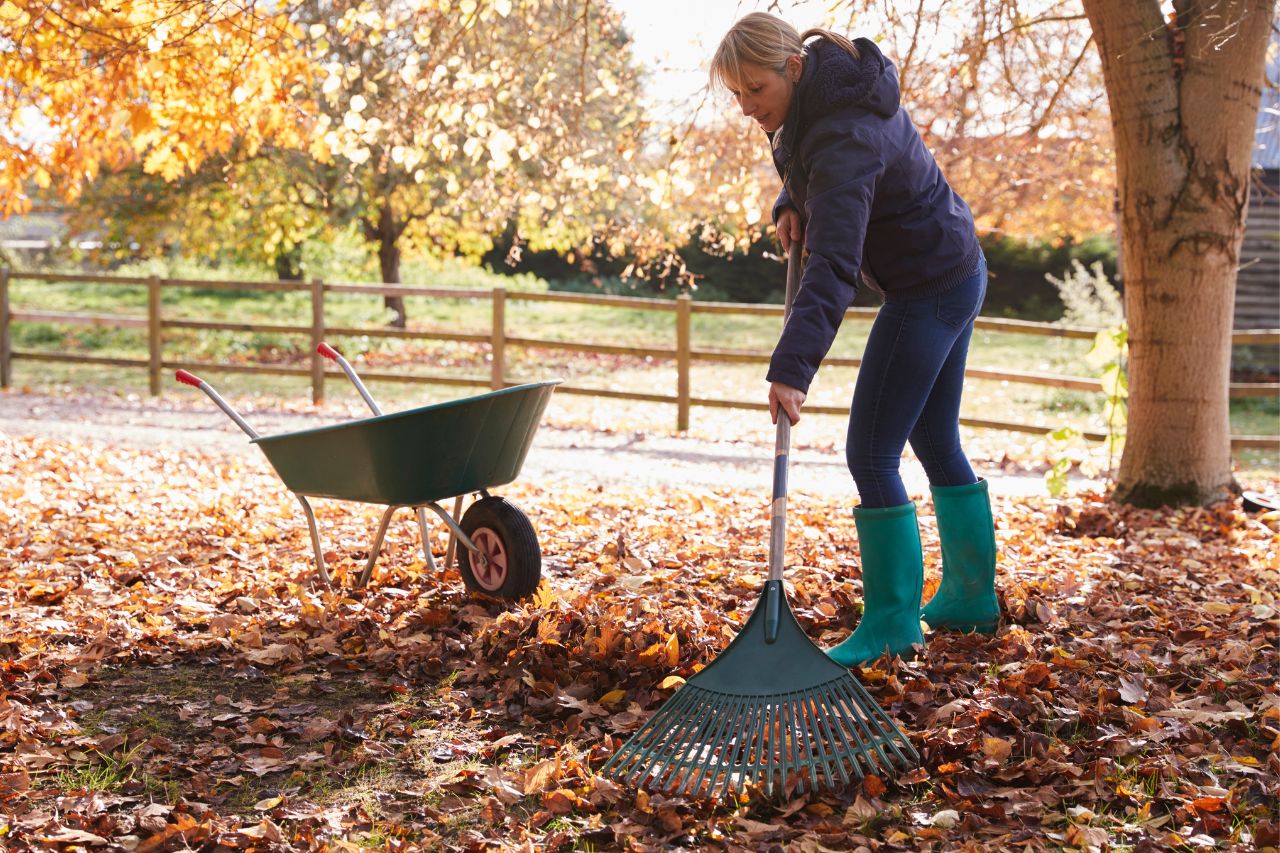
As soon as September arrives, the great autumn clean-up begins. Lawn mowers roar, leaf blowers work at full power, faded stems disappear, and the garden finally looks immaculate. Tidy for us. For pollinators, it means eviction.
A green space can be a green desert
Not every green space is nature. A lawn cut to the millimetre, a few ornamental plants without nectar and an area treated with pesticides may look green while offering almost nothing to bees, bumblebees, butterflies and other pollinators. Colour is not the same as biodiversity.
In September, that difference is especially important. Ivy, sedum, asters, marjoram and sage are among the final sources of nectar and pollen. Dry stems, leaves, an unmown edge and a small patch of bare soil are not waste. They are shelters, nurseries and winter apartments without which many insects will not reach spring.
Have we become addicted to tidiness?
Nature has no straight edges, uniform height or flowering schedule designed around our calendar. We imposed the aesthetics of a hotel lawn on it and then declared that look the rule. The result is space that photographs well but contains very little life.
The answer is not neglect, but smarter maintenance. One unmown edge, leaves left beneath a hedge and stems that remain until spring can look intentional and orderly. It is time to stop asking only, ‘How does this look?’ and start asking, ‘Who can live here?’
Five small rebellions against the green desert
Declare one part of the garden a mower-free zone.
Leave plants untouched while they still provide nectar and pollen.
Keep some dry stems and healthy leaves until spring.
Say no to pesticides. A beautiful garden should not be a poisonous garden.
Plant diverse, preferably native species instead of another sterile lawn.
Adopting a beehive is the beginning, not the end
OPRASHI began with bees, but pollination has never been a story about only one species. Wild bees, bumblebees, butterflies, moths and hoverflies are all part of a wider network of plants, soil, water and habitats. Without biodiversity, there is no stable pollination.
That is why adopting a beehive or supporting a campaign should not become a green tick on an annual report. Our adopters, partners and friends can take the next step by questioning how green spaces around their offices, hotels, facilities, schools and homes are maintained. How often are they mown? What is planted? Are pesticides used? Is there any space designed for more than the human eye?
The true strength of OPRASHI is not measured only by the number of beehives. It is measured by the conversations we start, the habits we change and the spaces we return to life. When citizens, companies, cities and institutions act together, isolated green areas become a connected network of habitats.
Leave something unfinished this autumn
Do not mow the last flower. Do not remove every leaf. Do not turn every piece of land into a perfectly controlled backdrop. Leave nature at least one corner where it can make its own decisions.
Because perfectly tidy nature sometimes stops being nature at all.

Sorry, the comment form is closed at this time.